Your Dependable General Contractor for Excellent Home Renovations
A reputable construction professional fulfills a vital role in home improvements. Their expertise guarantees work are finished with precision and care. By concentrating on quality materials and craftsmanship, they enhance both appearance and value. Transparent communication and thorough preparation are vital for a seamless experience. However, many property owners miss key factors when selecting a contractor. Recognizing what to prioritize can create all the difference in achieving a successful renovation. What should property owners consider first?
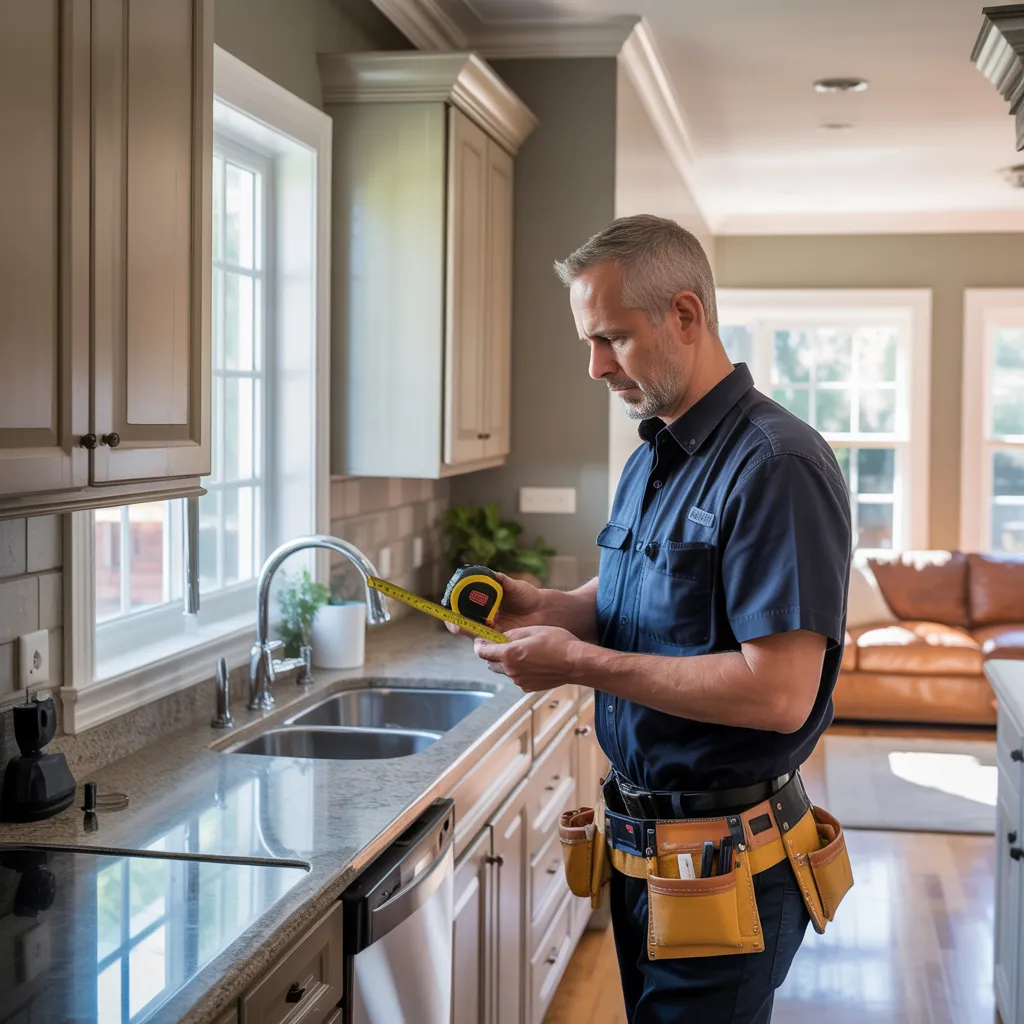
Key Things to Consider When Choosing a Dependable General Contractor
When launching a home improvement initiative, how can one assure they opt for a solid general contractor? First, individuals should seek recommendations from friends, family, or web reviews to identify suitable contractors. It is paramount to verify credentials, encompassing licenses and insurance, verifying the professional satisfies local regulations. Afterward, evaluating past work through showcases or recommendations furnishes insights into the professional's excellence and dependability.
Additionally, gathering several estimates can assist in evaluating reasonable expenses and work timelines. Soft skills are also crucial; a contractor should be engaging and responsive to inquiries. Further, a robust binding agreement outlining extent of work, duration, and payment terms safeguards both involved parties. In conclusion, trust your intuition; if a professional appears inexperienced or vague, it may warn of later complications. By observing these standards, homeowners can greatly enhance their probability of selecting a faithful building contractor, enabling accomplished home improvement initiatives.
Why a Local General Contractor Is Your Best Option
Selecting a local general professional can markedly enhance the success of home improvement projects. Local contractors retain crucial familiarity with the region, including building codes, guidelines, and land use laws, safeguarding adherence and efficiency. Their solid bonds with suppliers and subcontractors can lead to better rates and timely access to goods and qualified workers.
Furthermore, local builders often have a standing to maintain within the community, driving them to deliver high-quality work. This feeling of responsibility fosters trust and confidence among property owners.
In addition, nearness allows for easier communication and quicker learn the details response times, which can be necessary during a project. Homeowners can also seek referrals from friends or neighbors who have formerly worked with the contractor, giving peace of mind. Overall, picking a local general contractor not only supports the community but also strengthens the overall quality and experience of home improvement endeavors.
Your Full Step-by-Step Guide to Home Improvement Experience
Undertaking a domestic renovation project calls for strategic planning and competent implementation. Establishing a project timeline is vital to make certain that tasks are accomplished promptly, while procuring superior materials can profoundly shape the project's outcome. This resource will present these fundamental procedures to help homeowners navigate their renovation undertaking triumphantly.
Create Your Initiative Timeline
A thoroughly prepared timeline is vital for ensuring quality residential projects, ensuring that every phase is handled with efficiency. To kick off, homeowners should identify the project's parameters, outlining clear goals and desired outcomes. Subsequently, they should consult with their general contractor to establish a realistic timeframe based on the project's complexity and required tasks. Compartmentalizing the project into smaller phases allows for superior oversight and refinements as needed. It is also important to account for potential delays, such as climatic impacts or distribution impediments, which could alter the timetable. Regular check-ins with the contractor can facilitate maintaining progress. By and large, a concrete approach fosters mutual understanding and defines objectives, leading to a smoother home improvement experience.
Examining High-Quality Supplies
Selecting high-quality materials significantly impacts the success of residential renovation endeavors. To start, homeowners should establish the exact necessities of their undertaking, taking into account factors such as durability, visual appeal, and financial plan. examining multiple product options is critical; this comprises understanding the merits and limitations of every. meeting with practitioners can give beneficial perspectives into dependable labels and vendors.
Next, property owners should request samples to evaluate the appearance and texture of materials firsthand. Comparing prices across different suppliers can help ensure competitive pricing without sacrificing quality. Finally, confirming that materials comply with local building codes is crucial for protection and adherence to standards. By thoughtfully selecting materials, property owners can improve both the durability and aesthetic value of their upgrades, ultimately increasing the worth to their property.
Share Your Vision Like a Pro
Successful home improvements often rely on the ability to communicate a clear vision. Homeowners should express their thoughts, tastes, and requirements, ensuring that they convey their wishes effectively to their general contractor. A well-defined plan not only helps in matching the contractor's plans with the homeowner's goals but also simplifies the decision-making process.
Sketches or mood boards, as visual aids, can substantially boost communication. They offer a tangible reference that demonstrates style, color schemes, and layout preferences. Additionally, engaging in open dialogue promotes teamwork, allowing the contractor to ask clarifying questions and provide insights.
Setting realistic schedules and spending limits is just as vital. Residents should be prepared to address constraints in an candid way to avoid confusion in the future. Ultimately, communicating a vision with lucidity and confidence empowers both parties, creating the foundation for prosperous project delivery and satisfying outcomes in home renovation undertakings.
The Importance of Quality Components and Craftsmanship
Regarding home improvements, the selection of long-lasting materials profoundly influences the longevity and usefulness of a project. Similarly vital is the part of professional expertise, which guarantees that these materials are utilized effectively. Together, high-quality materials and expert workmanship deliver results that last for years to come.
Robust Material Selection
A prudently selected variety of robust materials can markedly influence the persistence and aesthetics of home improvements. Quality materials not only enhance the allure of a space but also guarantee that renovations persist the test of time. Homeowners should prioritize materials with proven durability, such as hardwood, stone, and high-grade metals, which withstand wear and tear and environmental damage. Additionally, opting for materials suited the local climate can prevent issues like rot or corrosion. Putting resources into durable options may require a higher upfront cost, but the long-term benefits—fewer repairs and replacements—make it a intelligent choice. Ultimately, the right materials contribute to a home's value and overall satisfaction for years to come.
Why Proficient Craftsmanship Matters
Quality craftsmanship plays an crucial role in the success of home improvements, complementing the selection of sturdy materials. Skilled artisans ensure that every aspect of a project is completed with precision, improving both functionality and aesthetics. Attention to detail in construction, from framing to finishing touches, contributes considerably to the durability and performance of home features. Quality workmanship not only demonstrates a commitment to excellence but also safeguards against future issues, such as structural damage or aesthetic flaws. Additionally, experienced contractors understand the nuances of various materials, ensuring they are utilized effectively. Ultimately, committing to skilled workmanship leads to a more satisfying and lasting result, elevating the overall value of the home and the homeowner's experience.
Common Renovation Mishaps and Tips to Dodge Them
Many homeowners face obstacles during home renovations that can result in expensive setbacks and disappointment. One frequent error is underestimating the budget. Without a detailed financial plan, unexpected expenses can quickly surface, jeopardizing the renovation. Additionally, failing to secure necessary permits can cause fines and work stoppages, complicating the remodeling effort.
Making hasty decisions by rushing the process of making decisions is a common mistake. Quick decisions concerning design and layout can result in disappointment later on. Homeowners commonly overlook the significance of hiring qualified professionals, which can compromise the workmanship and safety requirements.
In the end, not communicating adequately with building professionals can result in misunderstandings and unsatisfied expectations. To circumvent these obstacles, homeowners should focus on meticulous preparation, secure the needed permits, choose experienced professionals, and sustain open dialogue throughout the construction project. By addressing these frequent mistakes, homeowners can guarantee a easier and more gratifying renovation experience.
How to Select the Right Materials for Your Renovation?
In what way can homeowners guarantee they select the correct materials for their restoration endeavors? First, they should assess the specific needs of the space, reflecting on factors such as utility, charm, and endurance. Examining assorted options is essential; homeowners should weigh options based on their relevance for the intended use and local climate conditions.
Working with a dependable construction expert can supply useful recommendations about material selections, confirming that decisions fit with both cost parameters and style vision. Furthermore, house owners should emphasize sustainable practices by investigating environmentally conscious products that lessen ecological consequences.
Ultimately, reviewing samples can aid in making informed decisions, letting homeowners see how materials will look and feel in their room. By implementing these procedures, homeowners can securely pick materials that strengthen their project while ensuring quality and longevity.
Standard Concerns People Pose Often
What Steps Can I Use to Verify a Contractor's Certifications and Coverage?
To confirm a contractor's authorizations and coverage, one can look into state regulatory agencies and insurers. Also, obtaining duplicates of licenses and insurance paperwork directly from the contractor guarantees authenticity and compliance with regulations.
How Long Does the Average Timeframe for Home Improvement Projects Take?
Residential renovation projects typically have a fluctuating schedule, commonly running from a few weeks to several months, affected by intricacy of the work, scope, and essential permits. Consulting the construction professional can help setting a more accurate schedule.
Is It Feasible to Stay in My Home During Remodeling?
Yes, one can reside in a home during remodeling, though it often depends on the project's scope. Partial renovations may permit continued occupancy, while extensive work might require temporary relocation for safety and comfort.
What Forms of Payment Do Contractors Commonly Welcome?
Contractors regularly accept a collection of payment methods, including cash, checks, credit cards, and digital payment platforms. Some may also offer financing arrangements, granting clients flexibility in managing renovation costs and payment schedules.
What's the Right Approach to Address Issues With My Construction Expert?
To address disputes with a contractor, one should express yourself plainly, record every communication, and pursue settlement via discussion. If unresolved, arbitration or court proceedings may be necessary to safeguard your rights effectively.